Three-quarters of our planet is covered by water resources such as oceans, seas, lakes, groundwater and glaciers. Yet less than 1% of existing water is fresh water suitable for ecosystems and human use.
Because water is essential to every living thing on Earth, pollution of our already limited freshwater ecosystems is a serious problem.
Experts identify urban use, irrigation, energy and industrial activities as major causes of water pollution. Unfortunately, 80% of developing countries still discharge sewage directly into water resources, while industrial activities release approximately 300–400 million tonnes of waste into water. Chemical pollution from agricultural fertilisers also rapidly contaminates and depletes global groundwater reserves.
The causes of water pollution fall into 4 main categories:
Surface Water Pollution: Waste accumulating through irresponsible consumption, including all kinds of plastics, particularly plastic water bottles, as well as oil and petrol waste.
Groundwater Pollution: Pollutants generally associated with highly toxic agricultural chemicals, pesticides, fertilisers and animal waste disposal.
Microbial Pollution: Microorganisms in untreated water. These harmful bacteria or viruses can cause epidemics such as cholera and typhoid.
Chemical Pollution: Waste from mass-production facilities such as industrial farms, power stations and factories.
Other human-generated waste, such as used cooking oil, also causes serious water pollution. Experts' figures state that pouring 1 litre of used oil down a drain contaminates 1 million cubic metres of water, or 100 tankers of clean water. As an individual measure, collect used cooking oil in a bottle or jar rather than pouring it into the kitchen sink, then send it to waste recycling centres through your municipality to help protect nature and clean water resources.
You can also adopt smaller versions of greywater recovery projects commonly used by public institutions, such as treating greywater for gardens or using it for toilet flushing. For example, collect water from your shower in a bucket and use it to flush the toilet.
Our already limited water resources for human use therefore face serious pollution threats, unfortunately caused by humans themselves. Before distribution in cities, mains water undergoes treatment stages and chemical disinfection.(1) However, invisible substances remain in the water reaching our taps within legally permitted levels(2), and pollutants from household or apartment plumbing may also affect it.
Did you know you can remove all these pollutants from your tap water and use it healthily at home?
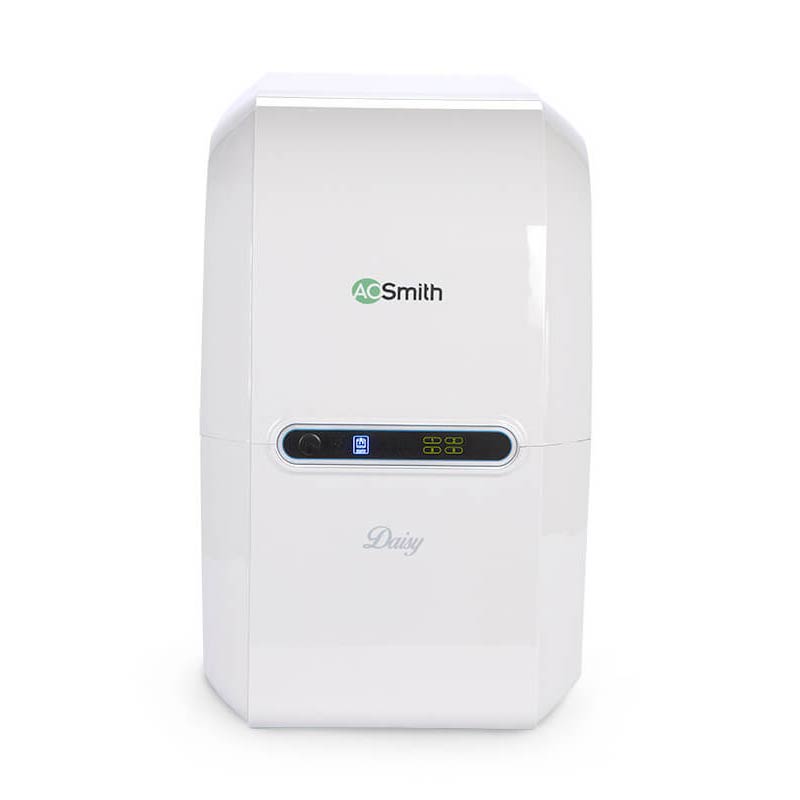
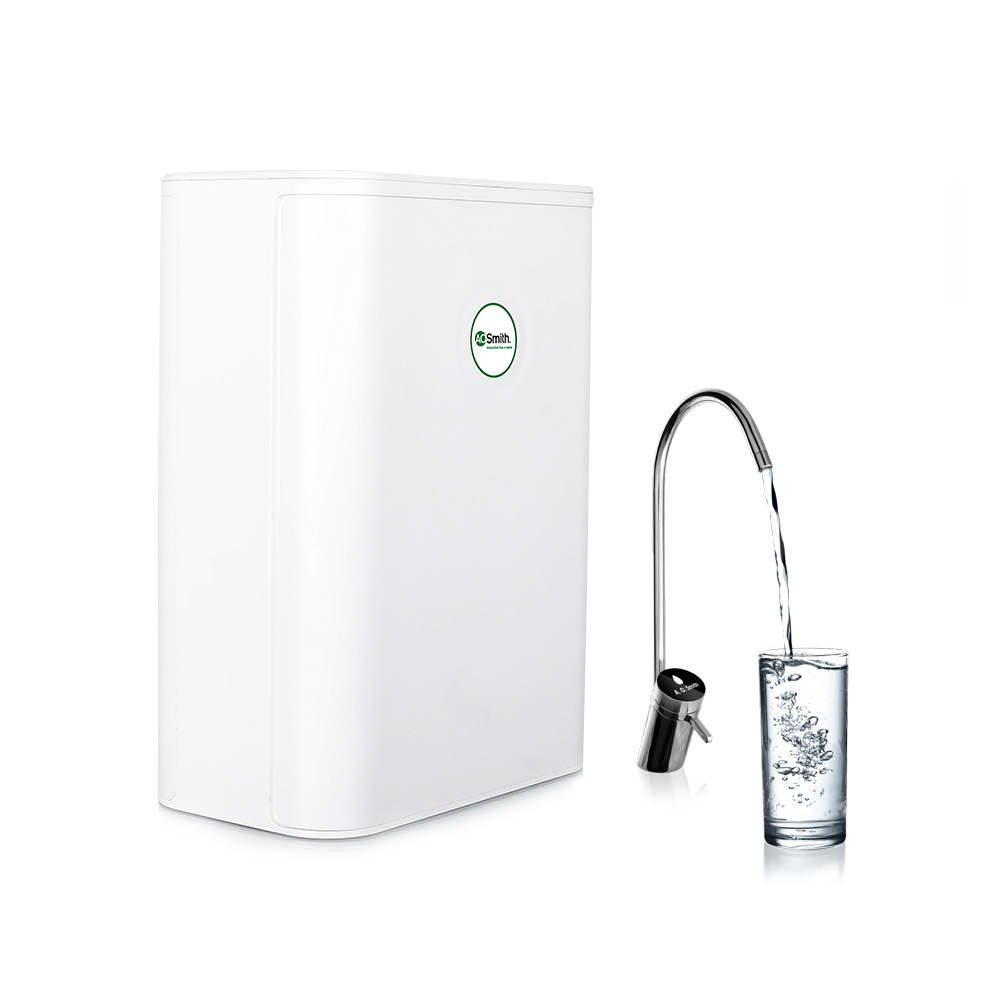
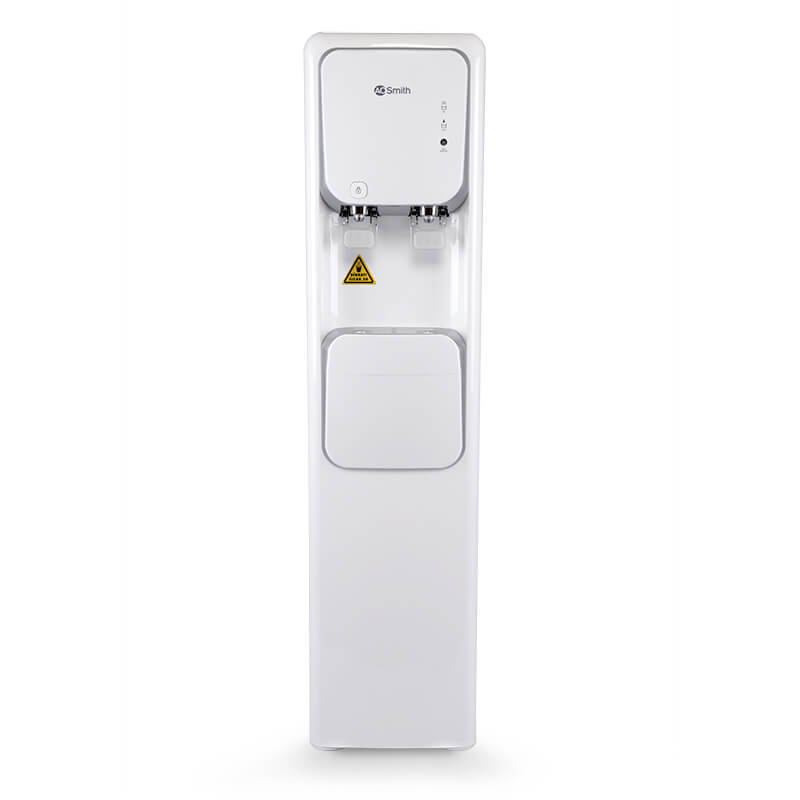
Trust the purified water from your tap thanks to the advanced technology of the A. O. Smith water purification family. Choose a Lily, Daisy or Lotus appliance suited to your home to purify tap water confidently for both drinking and kitchen use!
Call customer services now on 0 850 222 02 67 to discover the A. O. family!