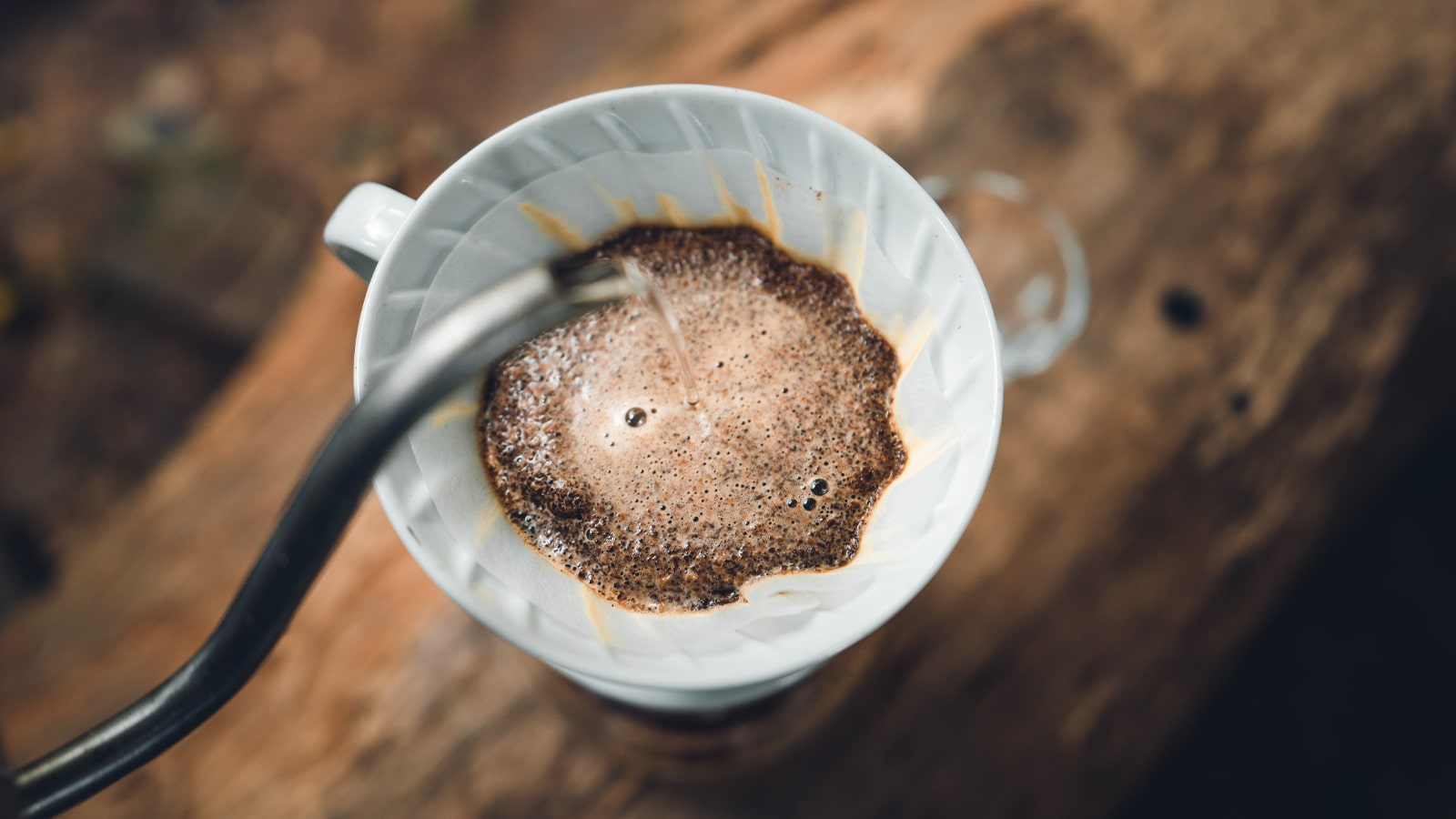
A steaming cup of freshly brewed coffee is a pleasure at any time of day. From frothy Turkish coffee and aromatic filter coffee to strong espresso and a milder latte, coffee brings many choices to mind. It holds an important place in our culture, both as a personal pleasure and as an accompaniment to conversation with guests. As the saying goes, ‘A cup of coffee is remembered for 40 years.’
Although third-wave coffee shops have recently become as widespread as coffee chains, we cannot go out to a café every time we want a coffee.
Can you make good coffee at home?
Is making good coffee at home easy? In fact, it is very easy! There are a few important details to keep in mind. To make a perfect cup, the quality of your brewing water is just as important as having fresh coffee at home.
Chlorine added to tap water to kill harmful bacteria and germs is the enemy of delicious coffee. It gives water an unpleasant smell and taste, adversely affecting its quality. If you brew with tap water, you may notice that the coffee looks cloudy, its taste and aroma are affected by chlorine and it leaves a chemical aftertaste. Water for good coffee should have no colour, flavour or odour of its own.
Water’s freshness also matters. Packaged water stored under unsuitable conditions can affect your coffee’s flavour through factors such as contact with air.
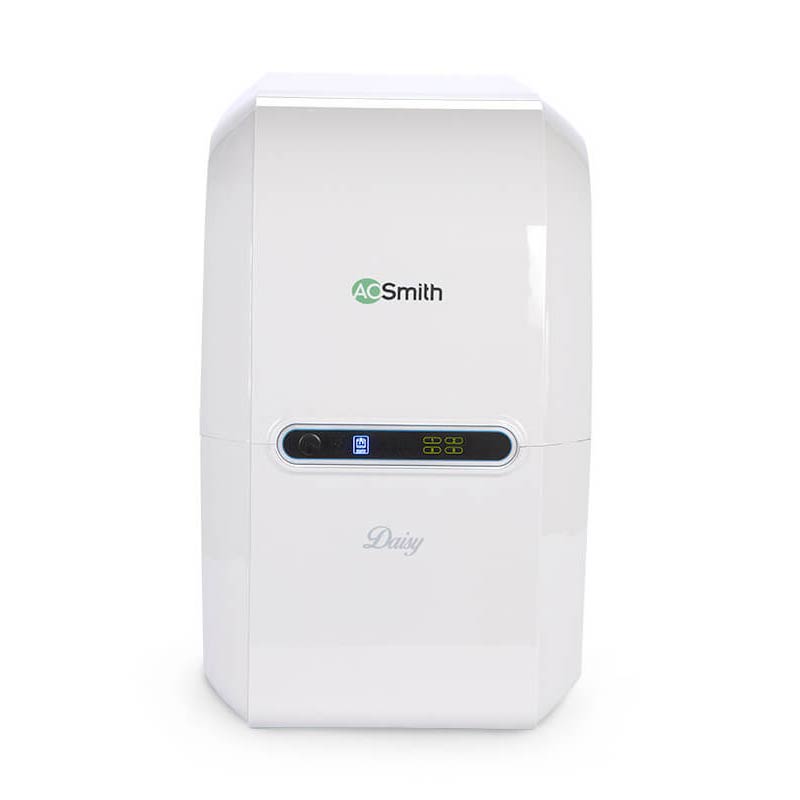
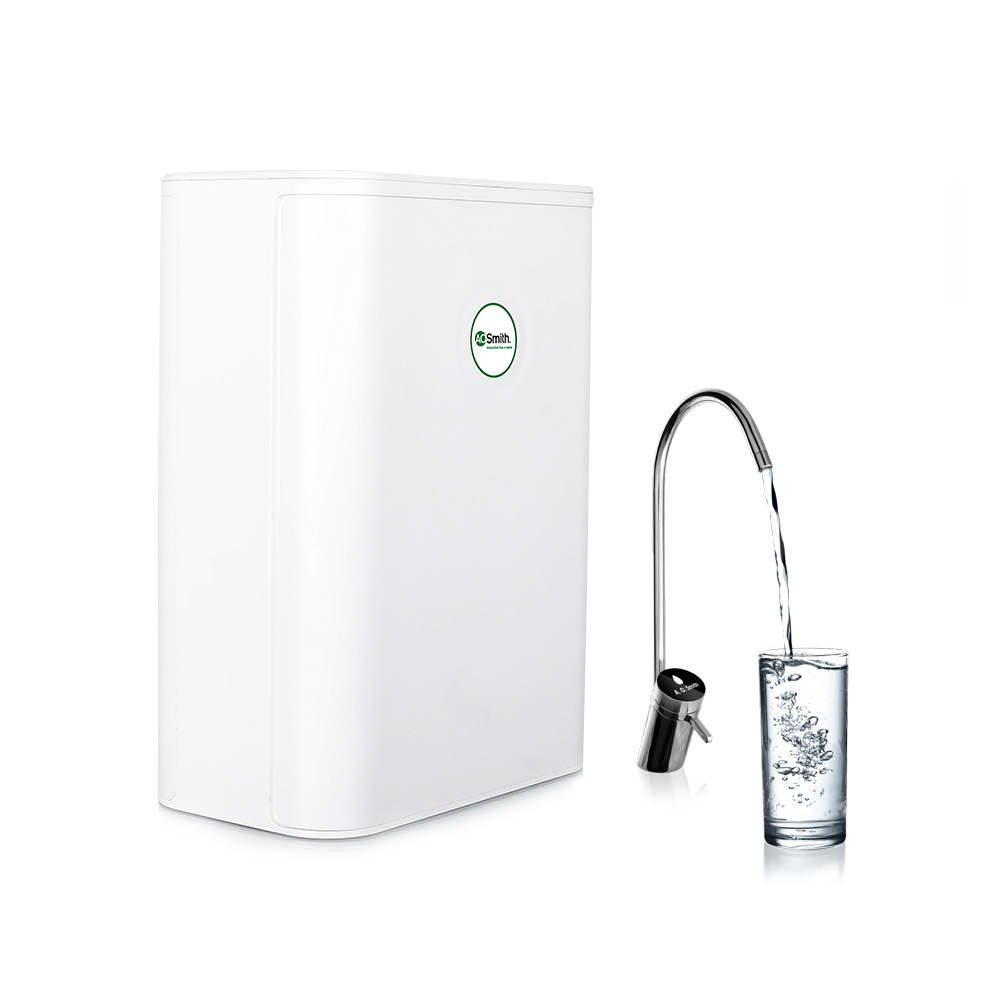
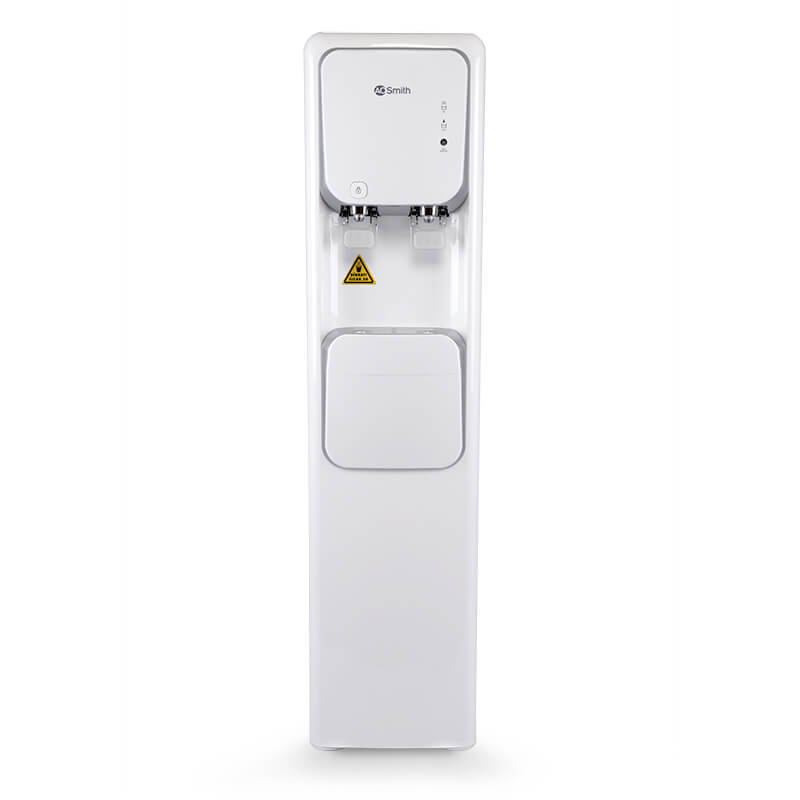
A. O. Smith water purifiers provide 56% more clean water than standard membranes through their patented membrane technology.
How do you like your coffee?
Do you like your coffee bitter or prefer a smoother drink? Water quality is crucial here. Chlorine, for example, changes coffee’s aroma and taste. Its aromatic compounds and oils oxidise and its acidity increases. This prevents you from experiencing the true acidity of your chosen beans and affects the quality of your coffee.
Chlorine in water readily attaches to organic matter, creating particles that give coffee an earthy, musty taste. Alongside pH, conductivity, temperature and dissolved oxygen, TDS (Total Dissolved Solids) is an important water-quality parameter. TDS can cause the wrong amount of coffee extract to be obtained. With too little coffee, the flavour is weak and astringent; with too much, it becomes harsh and bitter.
High water hardness draws out excess oil from coffee, creating an oily layer on its surface. It also causes limescale in coffee machines. Limescale blocks dispensing holes and reduces contact between water and coffee, leaving the aroma weak even when you use the intended proportions. If you enjoy milder drinks such as Latte or Cappuccino, limescale may also result in little or no crema.
Use purified water as a good alternative for great coffee
The conclusion is simple: high-quality purified water is certainly one of the best alternatives for good coffee. To get the best taste and aroma, remove undesirable substances such as chlorine that give water an unpleasant flavour. The Reverse Osmosis Filtration System in A. O. Smith water purifiers removes 95% of undesirable substances such as bacteria, viruses and heavy metals that may be present in tap water, providing excellent water quality for the best coffee experience.
Do not overlook the importance of fresh, clean water when enjoying a delicious coffee.