Why Is Cleaning a Water Purifier Important?
Access to clean drinking water is essential for a healthy life, making water purifier cleaning and maintenance very important. Neglecting water purifier cleaning can allow harmful microorganisms and bacteria to accumulate inside the appliance, affecting the water’s taste and smell and creating health risks. Cleaning and maintenance should therefore be carried out periodically to preserve the highest water quality.
Regular cleaning and maintenance improve efficiency, extend service life and prevent sudden breakdowns. During water purifier maintenance , hoses and other components should be inspected alongside filter checks and replacements. Although general maintenance procedures vary by model and manufacturer recommendations, the aim is always to provide the purest and healthiest water.
Another important point is to use the right products and techniques when cleaning, otherwise the appliance could be damaged. For example, aggressive chemicals can damage water purifier components and reduce water quality. It is therefore important to use recommended cleaning products and seek professional assistance when necessary.
In conclusion, regular cleaning and maintenance are essential for sustaining the benefits of a water purifier and keeping water quality consistently ideal. These routines not only extend the appliance’s life but are also necessary for healthier water consumption. Acting with this awareness helps every user protect both their health and their appliance’s efficiency.
How Should Regular Water Purifier Maintenance Be Carried Out?
Water purifier maintenanceis essential for effective, safe operation and should be performed regularly. It prevents deterioration of components while preserving the taste and quality of water. Maintenance follows specific steps, and the condition of every component should be assessed carefully.
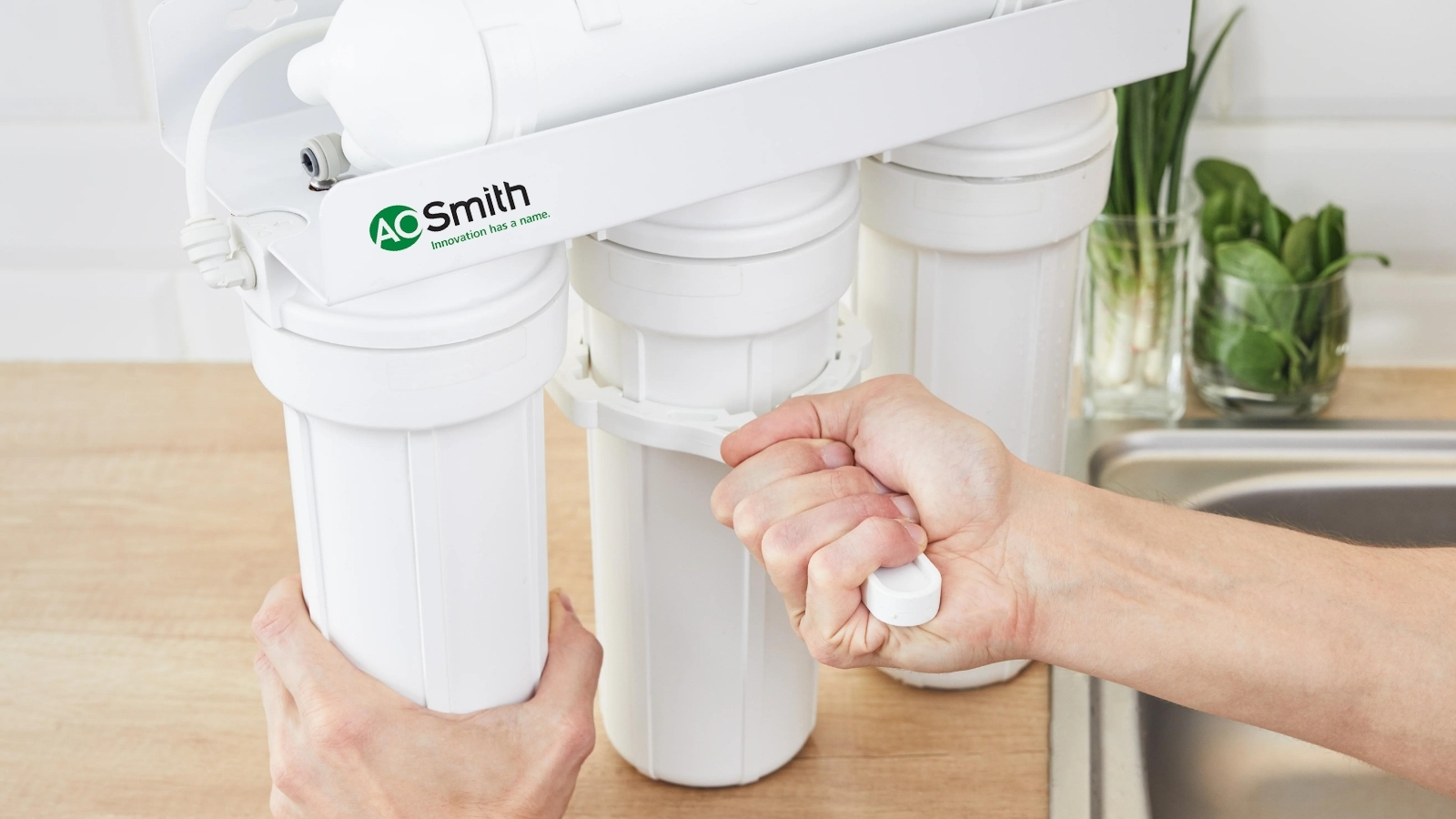
The first step should be water purifier cleaning , including checks of filters and other parts subject to wear. A blocked or worn filter should be replaced immediately because it directly affects purification performance. Hoses and connections should also be checked regularly.
Dirt and minerals accumulated in the system should be removed periodically to prevent microorganisms and limescale from building up. This improves the health quality of the water and noticeably improves its taste. All these procedures should follow the intervals specified in the manual and manufacturer recommendations.
To extend your water purifier’s life and use it at maximum efficiency, water purifier maintenance and water purifier cleaning should be carried out regularly and correctly. The frequency depends on the model and intensity of use. Following the manufacturer’s maintenance schedule helps protect your appliance and your health in the long term.
How Should a Water Purifier’s Tap and Hoses Be Cleaned?
Water purifier cleaning and maintenance are important for efficiency and a long service life. Regular cleaning of components such as taps and hoses directly affects water quality. Limescale and other mineral deposits on the tap can gradually harm the taste and smell of water, so routine maintenance should not be neglected.
When cleaning the tap and hoses, gently brush away surface dirt and deposits. During water purifier maintenance , cleaning solutions made specifically for taps and hoses can be used, but care is needed to ensure harmful chemicals do not remain in the system or interfere with purification.
It is also useful to inspect tap and hose connections and check their seals during cleaning. Replace leaking seals to keep the system working properly. Choose cleaning materials that will not damage the materials of the appliance.
For thorough water purifier cleaning , it is also recommended to remove hoses and clear accumulated limescale and bacteria from inside them. Be careful not to damage the hoses and seek professional support when necessary. After cleaning, refit the tap and hoses correctly and ensure hygienic conditions throughout the system.
What Steps Should Be Followed for Tank Cleaning and Maintenance?
Water purifier tank cleaning is vital and directly affects water quality. Regular cleaning is recommended to prevent accumulated sediment and bacteria from entering the water and causing health problems. The steps involved are important both for sterilising the tank and for improving system efficiency.
First, disconnect the system from the electricity supply and take the precautions needed to work safely. Then drain the remaining water from the tank. This removes accumulated dirt and residue and completes preparation for water purifier cleaning .
When starting cleaning, you can use specialist cleaning solutions or natural cleaners that are effective against germs. Circulate the solution through every part of the tank to remove dirt and bacteria. Afterwards, rinse the interior thoroughly so that cleaning chemicals do not adversely affect the treatment system.
Finally, to complete water purifier maintenance , refit all parts inside the tank correctly and check the system for leaks. These steps support safe, healthy operation over the long term. Make sure tank cleaning and maintenance are carried out regularly by qualified people.
How Often Should a Reverse Osmosis Membrane Be Replaced?
One of the most important components in water purifiers used to provide healthy water at home and at work is undoubtedly the reverse osmosis membrane. This delicate component directly affects purification performance: if it stops functioning or its pores become blocked, the appliance can no longer purify water adequately. For this reason, regular membrane replacement is vital to overall water purifier maintenance .
Although a reverse osmosis membrane’s lifespan varies with usage conditions and water quality, it is generally considered to average 2 to 5 years. Water containing large amounts of solids or chemicals such as chlorine can shorten its life. Factors such as local water quality and water-use habits should therefore determine how often the reverse osmosis membrane is replaced .
Failure to replace the membrane on time can reduce system efficiency and drinking-water quality. Ideally, a professional service should perform maintenance and water purifier cleaning at intervals appropriate to the model and manufacturer recommendations. This keeps the membrane and subsequent filters under control and provides continuing access to clean, safe water.
Remember that regular maintenance and timely replacement of parts not only preserve water quality but also extend your appliance’s life and save money in the long term. Taking care of water treatment equipment maintenance and repairs is therefore one of the smartest investments you can make for both your health and your finances.
How Are Intermediate Filters Cleaned?
Water purifiers used to preserve drinking-water quality and filter out health-threatening substances require regular maintenance and cleaning. One part of this process, cleaning intermediate filters, is particularly important for performance and efficiency. Intermediate filters play a critical role in removing many harmful substances during purification, and cleaning them correctly also extends the appliance’s life.
Regular cleaning of intermediate filters preserves filter capacity and water taste. During water purifier cleaning , checking for blockages and assessing the general condition of filters is essential for uninterrupted production of good-quality water. Read the manual carefully before cleaning and follow the specified cleaning intervals.
Effective cleaning of intermediate filters is important both for health and for avoiding high costs. Microorganisms, limescale and other deposits can build up in filters over time. Thorough cleaning as part of water purifier maintenance therefore helps ensure the safety of the water you drink.
Although cleaning procedures vary by make and model, intermediate filters can generally be washed with hot water and a suitable cleaner. Remember, however, that filters may have reached the end of their life and should be replaced when necessary. Following recommended replacement intervals maintains appliance efficiency and water quality.
How Often Should the Pre-Filter Be Replaced?
In water treatment systems used at home or at work, pre-filter replacement intervalsare vital for efficient operation. These filters remove large contaminants, helping other parts of the appliance last longer. Generally, pre-filters should be replaced every 6 months, depending on factors such as water quality and quantity used.
It is important to stress that, during water purifier maintenance , periodic pre-filter replacement directly affects performance. If filters are not clean enough, the load on other filters increases, reducing water quality and shortening filter life. Irregular replacement increases cleaning and maintenance needs, requiring additional cost and effort.
During water purifier cleaning and maintenance, users should not overlook replacement intervals and should follow the manufacturer’s recommendations. Because each appliance has its own characteristics, consult its manual or contact the manufacturer for the most accurate information on pre-filter replacement frequency.
Timely pre-filter replacement ensures healthy, efficient operation while benefiting your budget in the long term. Remember: the better your purifier is maintained, the higher the quality of the water it produces.
Solutions to Water Purifier Taste and Odour Problems
Regular water purifier maintenance is essential for keeping water pure and clean. Taste and odour problems in particular can arise when cleaning is inadequate or maintenance is neglected. The first step is to carry out cleaning and maintenance carefully in accordance with the appliance’s instructions.
Timely replacement of parts according to frequency of use and water quality is one of the most important aspects of water purifier cleaning . Filters or other components may wear out, affecting taste and smell. Experts therefore recommend regular filter replacement and maintenance.
To eliminate taste and odour problems, regularly replace the appliance’s filters, especially the activated carbon filter. This filter removes chlorine and organic compounds, playing an effective role in removing unpleasant tastes and odours. Filter life varies with usage and contaminant levels, so follow the recommendations in the manual.
To prevent these problems, it is also important to have the required water purifier maintenance and cleaning performed regularly by professionals. They should inspect every component thoroughly and replace parts when needed, allowing you to drink the water safely every time and get maximum performance from your appliance.
Important Points to Consider During Maintenance and Cleaning
Water purifier maintenance and cleaning involve several critical points for extending appliance life and consistently maintaining the best water quality. Procedures must be carried out carefully, because effective operation directly affects drinking-water purity. Check regularly that every component works properly, and address wear or damage immediately.
In particular, filters should be replaced periodically according to usage and water quality. Cleaning and replacing filters such as the pre-filter , at intervals that vary with water use, must not be overlooked if performance is to be maintained. Correct use and regular professional inspections and maintenance are also very important.
Another important point during water purifier cleaning is that every part must be cleaned carefully, especially components in direct contact with water, such as taps and hoses. Limescale and other contaminants on these components can reduce the quality of filtered water, making regular cleaning and necessary maintenance essential.
Finally, for the reverse osmosis membrane—a central component of the treatment system—to perform well, follow the recommended replacement frequency and membrane-specific maintenance procedures. To extend appliance life and obtain maximum efficiency, have these maintenance and cleaning procedures performed regularly by professionals, or carry them out carefully in accordance with the manual.