The Effects of Climate Change
The effects of climate changeare fundamentally altering ecosystems, agricultural production and human life worldwide. Among these changes, water scarcity is particularly prominent. Rising global temperatures and changing rainfall patterns affect water cycles and increase the frequency of extreme weather such as droughts and heavy rainfall in many regions. This affects both the quality and quantity of water, further reducing already limited resources.
As a result, water scarcity makes access to this essential resource more difficult for millions of people worldwide, increasing socioeconomic inequalities. Agriculture is directly affected by climate change too: the decline in productive land makes its water consumption even more critical. Rising demand brings groundwater close to depletion and also causes surface-water pollution.
One of the most important ways to combat climate change should be to resist water resource depletionand protect those resources. Developing and implementing sustainable water management and policies at local and national levels are among the steps that can address water scarcity . Raising public awareness of water conservation and developing treatment technologies can also bring substantial progress against this global problem.
Protecting and using water resources wisely is therefore crucial to coping with climate change. Developing water-saving habits, investing in treatment and recovery technologies and reshaping water management policies all play vital roles in tackling water scarcity .
Water Resource Depletion
Water, the basic resource of life, is limited on our planet, and tackling water scarcity is becoming more important every day. Industrialisation, rapid population growth and climate change are rapidly depleting natural water resources. This makes fair, sustainable use essential and brings international cooperation and policies for protecting resources to the forefront.
In particular, intensive agricultural water use leads to excessive exploitation and eventual depletion of water resources worldwide. Preventing this requires improved farming techniques, new water-saving methods and greater water efficiency. Research and technologies developed to address the problem are vital for more effective water management.
The intense water demandassociated with urbanisation accelerates resource depletion, especially in large cities. Population growth and industrialisation place more pressure on water networks, requiring renewed infrastructure and a review of water governance policies. Public awareness of conservation and habits of efficient water use must also be developed.
To tackle water scarcity , it is therefore important to increase investment in treatment and recovery technologies, encourage water-saving habits and update water management policies. Because resource depletion is a serious threat to the whole world, every step taken helps leave a healthy, balanced ecosystem for future generations.
Agricultural Water Consumption
When considering the sustainability of agriculture today, the importance of water scarcity is growing. Agriculture consumes a large share of global freshwater, causing serious concern, especially where resources are limited. Effective management and water-saving techniques are vital for the sustainability of future agricultural production.
Agricultural irrigation methods must be modernised to ensure balanced resource use. Traditional irrigation is being replaced by lower-consumption drip or subsurface irrigation, reducing the risk of water scarcity in agricultural production. To explain this more fully, continuous development of the sector and adoption of innovative conservation practices make water use more efficient and contribute significantly to protecting resources.
Effective management of farmland and using water only when and in the quantities needed also play a critical role in combating water scarcity . Advanced sensor technologies and data analysis can determine crop water needs more accurately and help prevent unnecessary consumption.
Raising public awareness and introducing education programmes on responsible water use are also important for minimising agriculture’s effect on water scarcity . Following sustainable water-use principles in agriculture will help ensure that future generations have sufficient clean water.
Water Pollution from Industrial Waste
Industrial activity not only generates waste from raw materials but also worsens water scarcity when that waste enters natural waters. Harmful substances disrupt aquatic ecosystems, damage biodiversity and threaten drinking-water sources. Proper, effective treatment of industrial waste is therefore extremely important.
Industrial waste containing heavy metals, chemicals and toxic substances pollutes water resources and prevents reuse, increasing the risk of water scarcity . Wastewater management and treatment systems play a vital role, and advanced technologies are needed to achieve environmental sustainability.
Advanced treatment technologies can reduce industrial waste’s contribution to water pollution and help protect water-dependent ecosystems. By making waste harmless before it enters water bodies, these methods help ease water scarcity . Industrial facilities therefore need to develop environmentally friendly practices and improve waste management.
Although industrial water pollution is a serious problem, effective policies and greater environmental awareness can bring significant progress. Sustainable water management, appropriate treatment techniques and regulations can make it possible to overcome water scarcity .
Urbanisation and Water Demand
Today’s rapid urbanisation puts growing pressure on natural resources, particularly aggravating water scarcity . In densely populated cities, demand rises across industry, agriculture, domestic use and recreation, making sustainable water management policies increasingly important.
Growing population density and inadequate infrastructure accelerate resource depletion as cities expand, deepening existing water scarcity . Developing and implementing innovative urban water management solutions is therefore critical both for protecting current resources and for supplying future generations with enough clean water.
Water demand and consumption become particularly complex in large cities. Developing water treatment and recovery technologies therefore aims to maximise recycling and reuse. Strategies ranging from wastewater treatment to rainwater harvesting and reuse have been developed and implemented.
To meet rising urban demand and overcome water scarcity , individuals and communities must adopt water-saving habits. Protecting water and using it responsibly is the responsibility of everyone, not just authorities and policymakers, and is vital for maintaining clean, accessible resources for future generations.
Strategies for Reducing Water Scarcity
Water scarcityhas become one of the most serious environmental problems facing the world. Identifying and implementing strategies to ease it is vital for humanity. Particularly in drought-prone areas, conservation and efficient use are critical steps. Individuals and communities must review their habits; choosing lower-consumption methods such as drip irrigation in agriculture is especially important.
Local water management policies should include measures addressing water scarcityand public awareness. Improving wastewater treatment and reusing treated water in agriculture and industry allows recycling and more efficient use. Rainwater collection and storage also help protect reserves and use natural resources more effectively.
To find long-term solutions to water scarcity , sustainable development and environmental policies must be addressed together. This requires cooperation among local communities, governments, civil society and the private sector at both local and national levels. Education that helps younger generations understand water’s value and raises awareness of sustainable use is a key element in long-term success against water scarcity .
In conclusion, tackling water scarcity and protecting resources require comprehensive, multifaceted strategies. Alongside encouraging everyone to save water, these strategies should focus on developing alternative sources. In this way, we hope to leave future generations a greener world with abundant water.
Water Treatment and Recovery Technologies
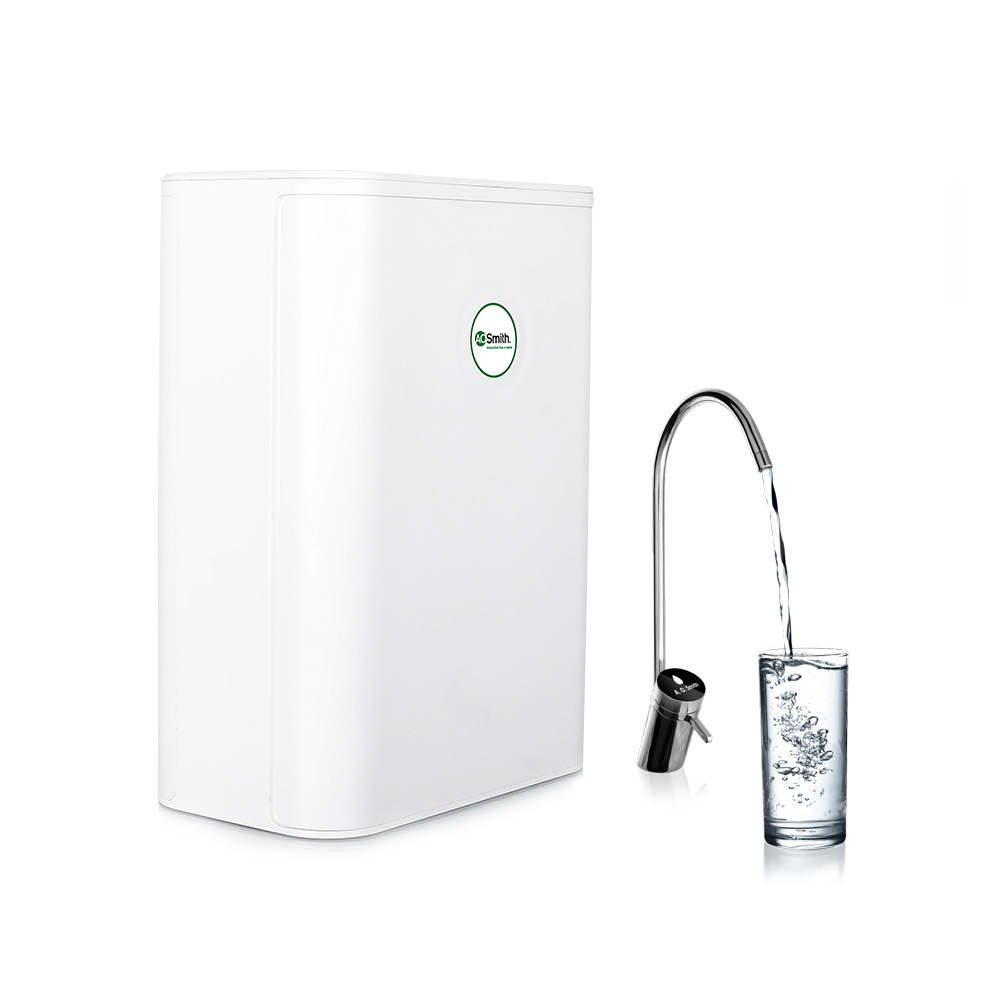
Water treatment and recovery technologies are vital for a sustainable future: they increase access to clean water free from pollution while protecting natural resources. For example, advanced filtration systems play a critical role in making water reusable, supplying both drinking water and treated water for agriculture and industry.
Today, many regions facing water scarcity are seeking relief by using highly efficient treatment technologies to reprocess used or polluted water. Treating wastewater before returning it to nature helps minimise environmental impacts, encourages reuse and reduces pressure on ecosystems.
These technologies include advanced options such as nanofiltration, reverse osmosis and ultraviolet treatment, which are highly effective at improving treated-water quality. Initial installation and operating costs can be high, however, creating a barrier to widespread adoption, especially in developing countries.
To alleviate water scarcity , experts stress the importance of local and national government investment in treatment and recovery technologies, along with public education that introduces these technologies and raises awareness. Programmes should cover conservation and the importance of treatment, strengthening water-saving habits and building a firm foundation for sustainable management.
Water-Saving Habits in Society
Water scarcityis a global problem affecting many regions and posing a serious threat to future generations. Developing conservation habits among individuals and communities can support sustainable use and reduce scarcity risk. Valuing even a single drop is one of the most important steps for our future, and we should focus on simple, effective methods everyone can use in daily life.
Water-saving habits include practices for homes, gardens and workplaces. Keeping taps turned off when not in use and repairing leaks promptly are measures against water scarcity . Water-efficient appliances and reasonably short showers are also important. These practices may seem small, but their combined effect can make a substantial difference.
Raising society’s awareness and passing these habits on to younger generations should also be priorities. Giving water scarcity more attention in education and teaching students water’s value and how to protect it can spread awareness throughout society. Conservation campaigns organised by local authorities and civil society groups are also effective ways to draw attention to this important issue.
In conclusion, individual and collective steps are extremely important in tackling water scarcity . We can all contribute by reviewing our daily habits and using water responsibly. By starting with small changes and gradually taking bigger steps, we can protect water and leave future generations a more liveable world.
Water Management and Policies
One of today’s most critical environmental problems, water scarcity, can become a crisis that prevents healthy national development without effective management and sound policies. Appropriate policies ensure fair, efficient distribution and protect this valuable resource. Developing sustainable policies is therefore fundamental to ensuring clean water for future generations.
Governments in many countries are developing strategies to combat water scarcity and protect resources. These policies commonly include conservation incentives, pollution prevention, improved wastewater treatment and greater efficiency in water-intensive sectors such as agriculture. Informed management policies and legislation are vital for preventing scarcity.
Large-scale water management and policies require cooperation and coordination locally and globally. Municipalities, local authorities and national governments must work together to make the best use of limited resources. Policy success also depends heavily on public support and active participation by local communities.
Water scarcitypolicies must prioritise preventive measures against future crises, alternative sources, technological innovation and water-saving practices. The key is to adopt and implement informed, participatory water management at every level.